Sweet German Pastries You Should Know
Here are five classic pastries from Germany and what makes them special
1. Franzbrötchen – Small cinnamon-butter pastry (“Franz-roll”)
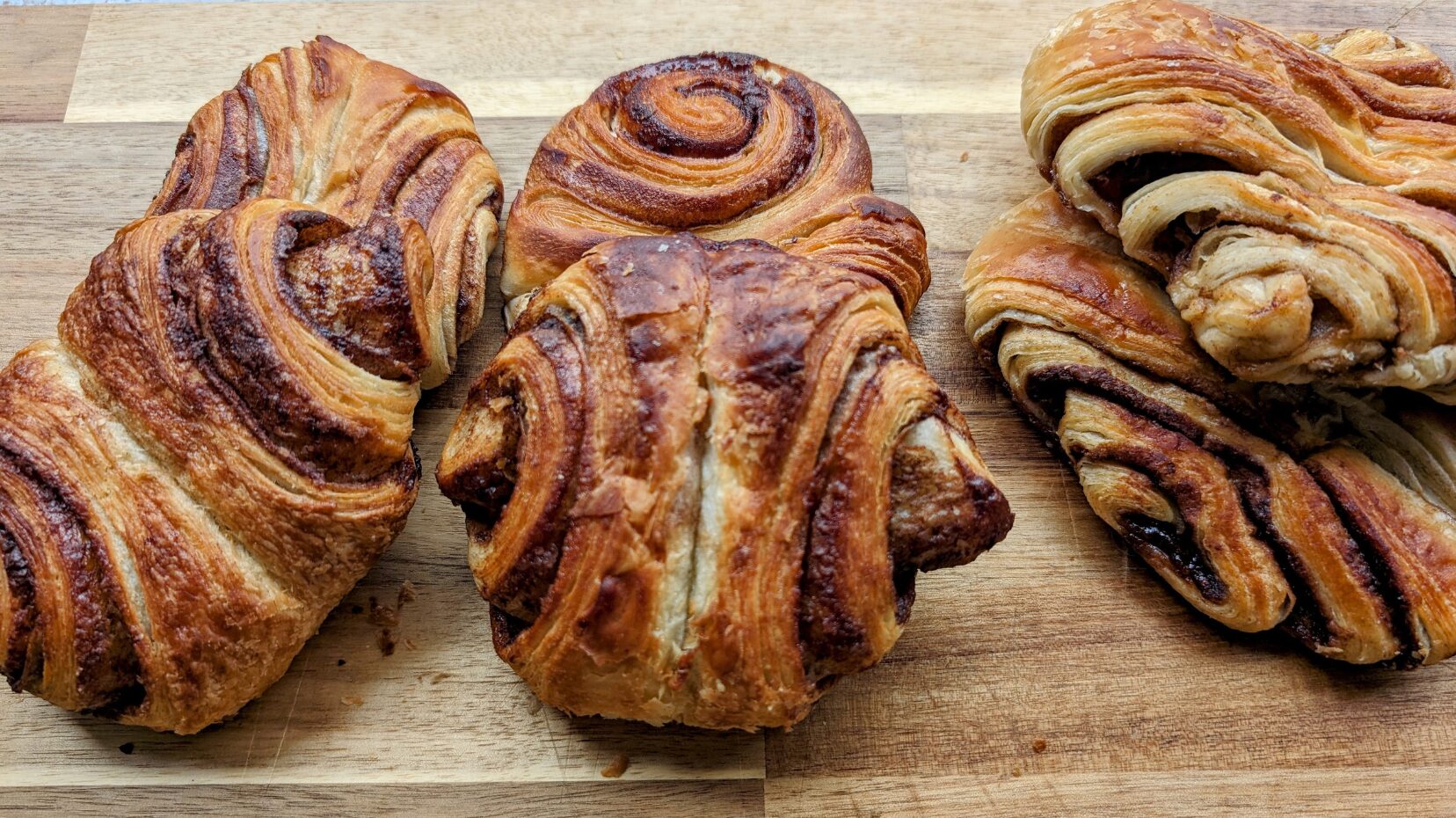

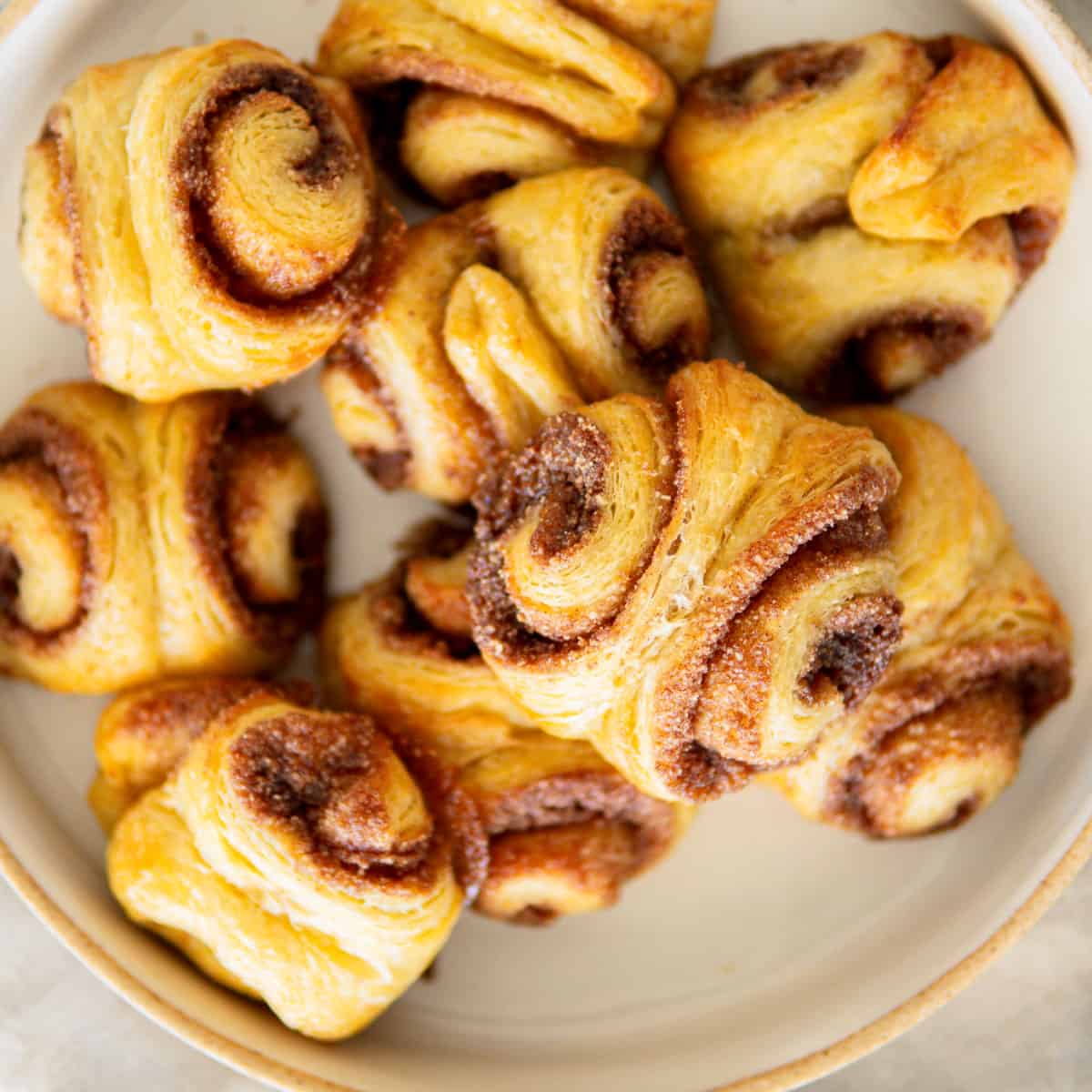
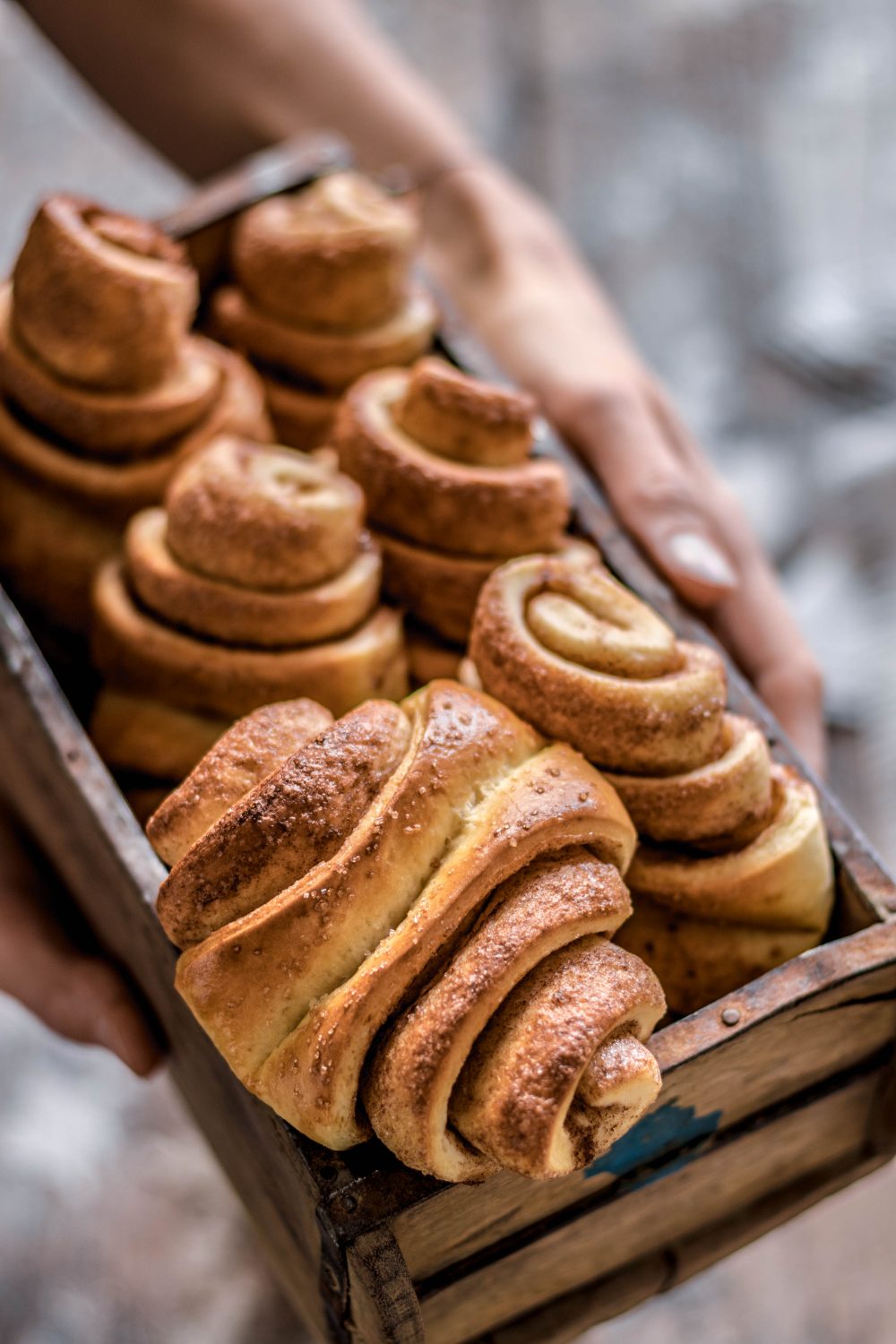
“Franzbrötchen” is a small, sweet pastry baked with butter and cinnamon. It’s particularly associated with Hamburg. (International Desserts Blog)
This one is ideal for a coffee in the morning – just the right balance of crisp and soft and that lovely cinnamon-butter swirl.
2. Quarkbällchen – Quark (curd cheese) balls

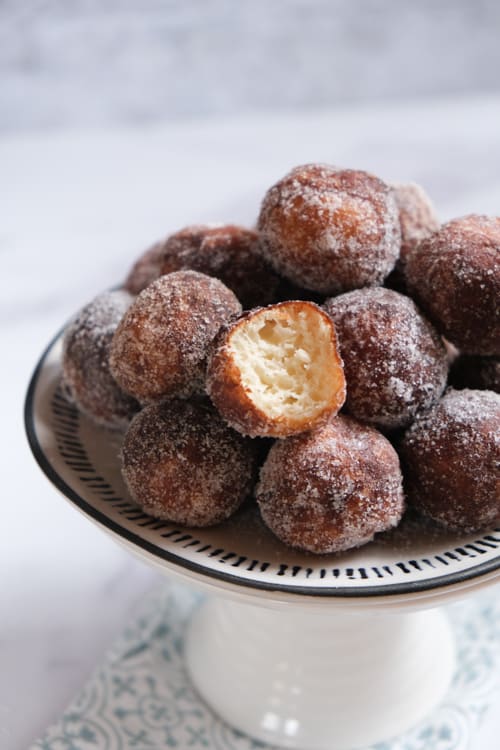
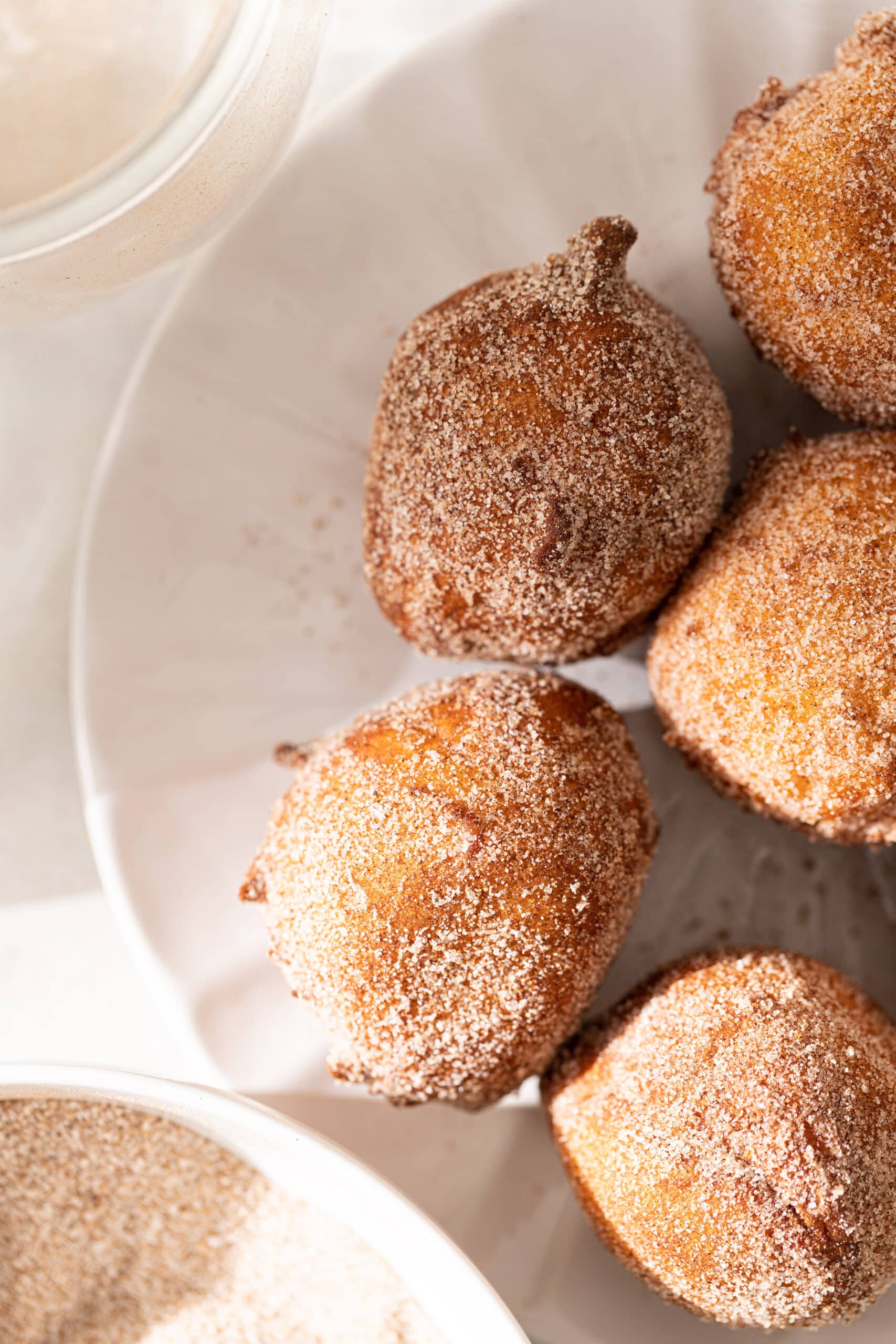
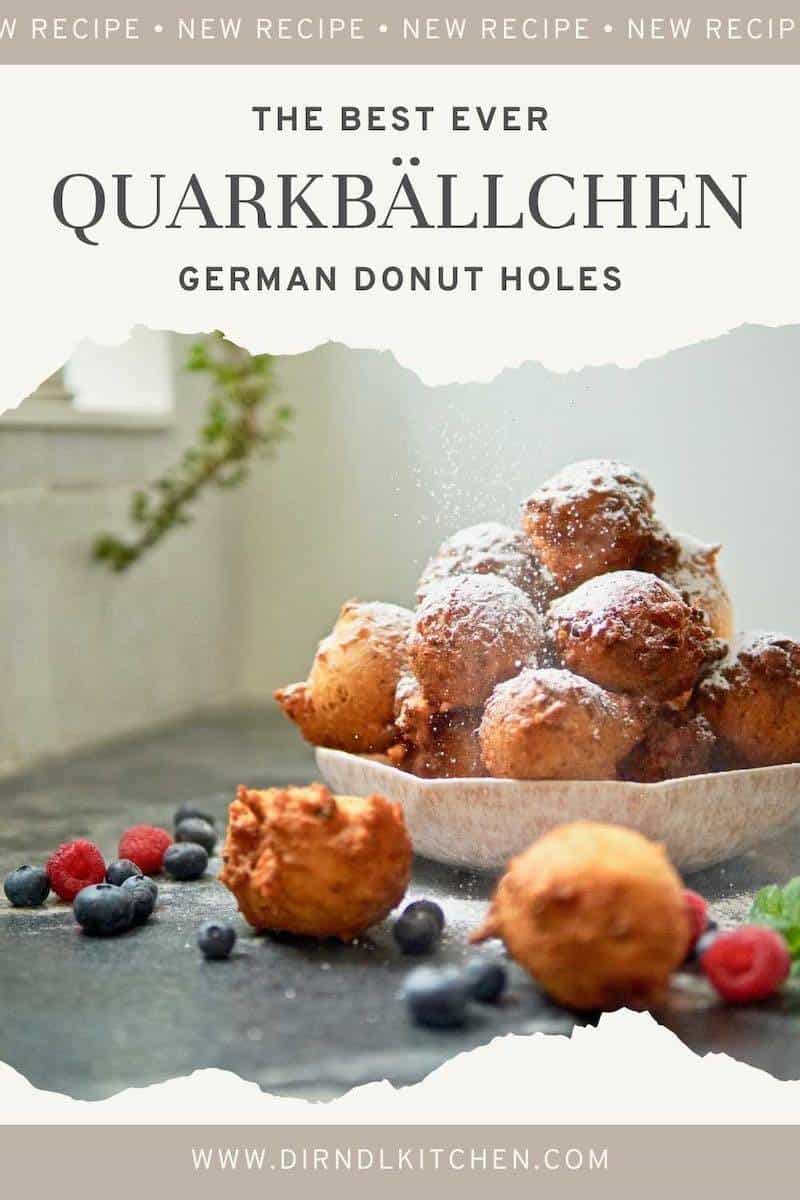
These are like donut-holes but richer: made from quark (a curd cheese) dough, fried, then often rolled in cinnamon sugar or powdered sugar. According to one source: “richer, denser, and moister… way better than a donut hole.” (International Desserts Blog)
Great little snack when you want something sweet but bite-sized.
3. Berliner (also called Krapfen/Pfannkuchen depending on region) – Jam-filled doughnut

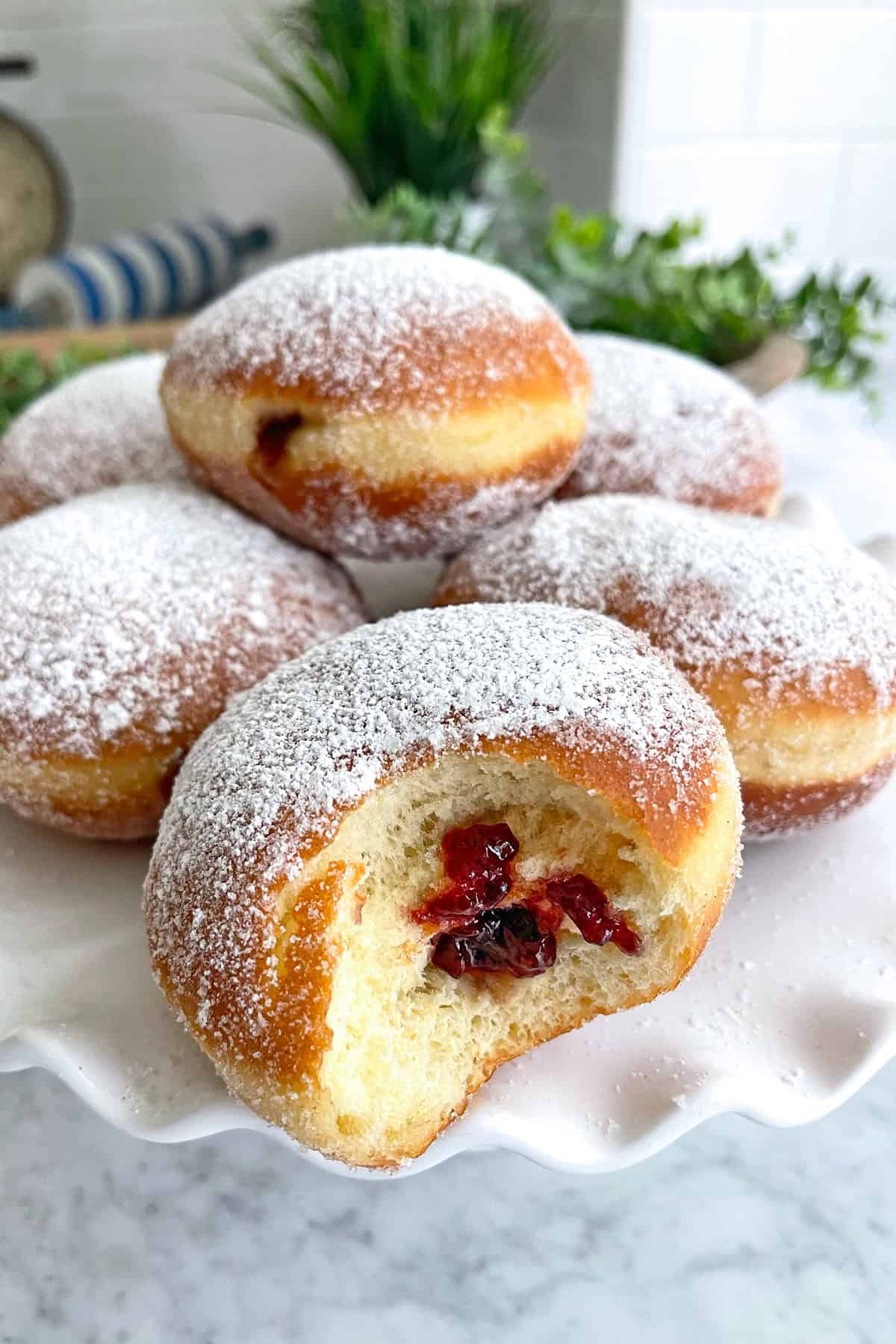
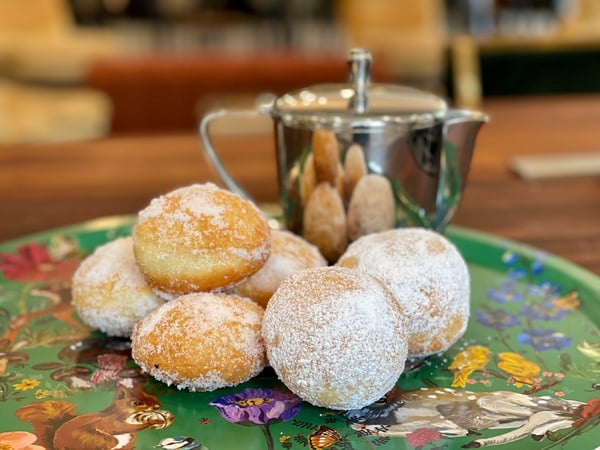
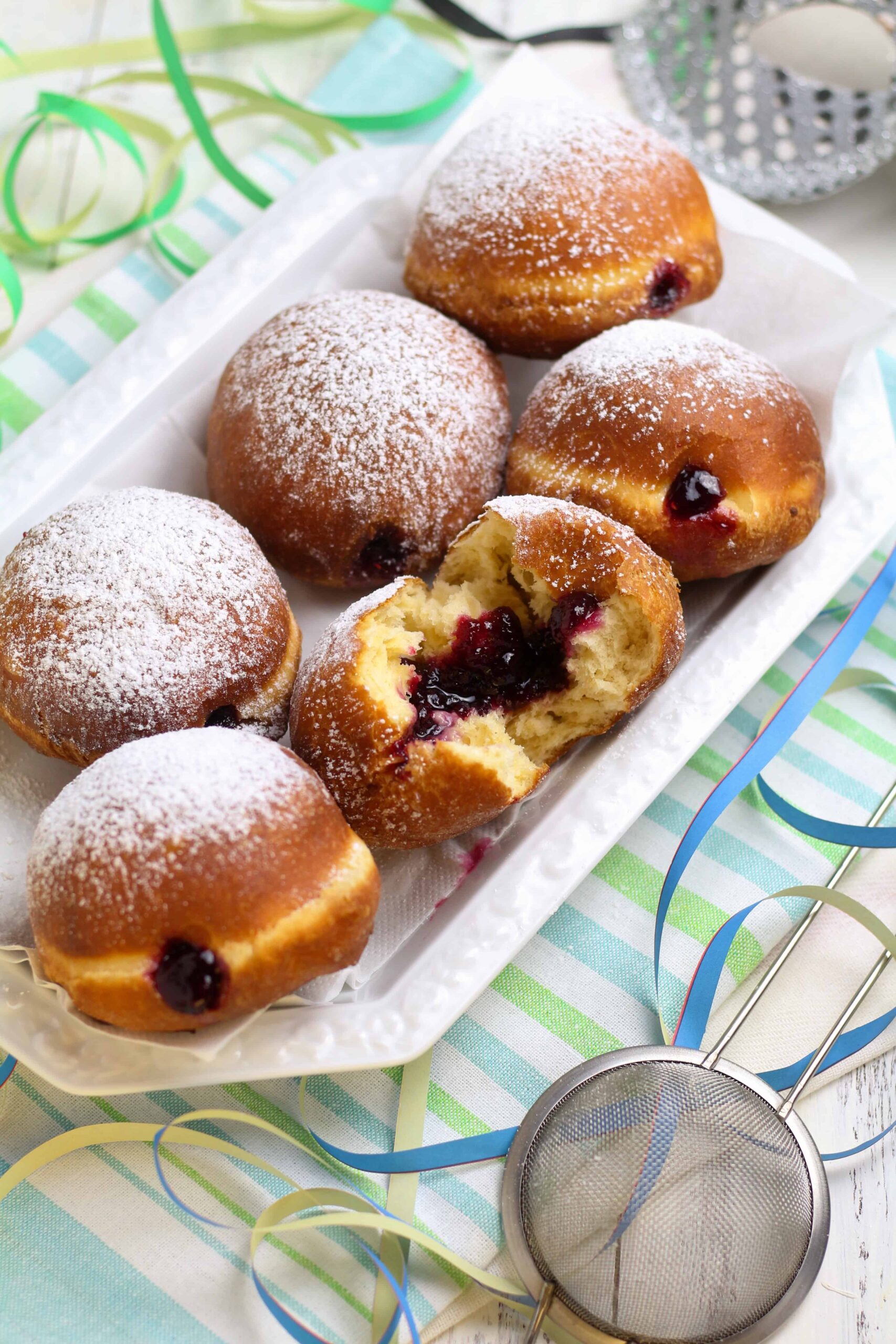
The Berliner is a classic: sweet yeast dough, fried, filled with jam (or sometimes custard / vanilla cream), topped with sugar or icing. (Wikipedia)
Often associated with carnival/fasching time, but good any time you’re in the mood for a fluffy adventure.
4. Bienenstich – “Bee Sting” Cake
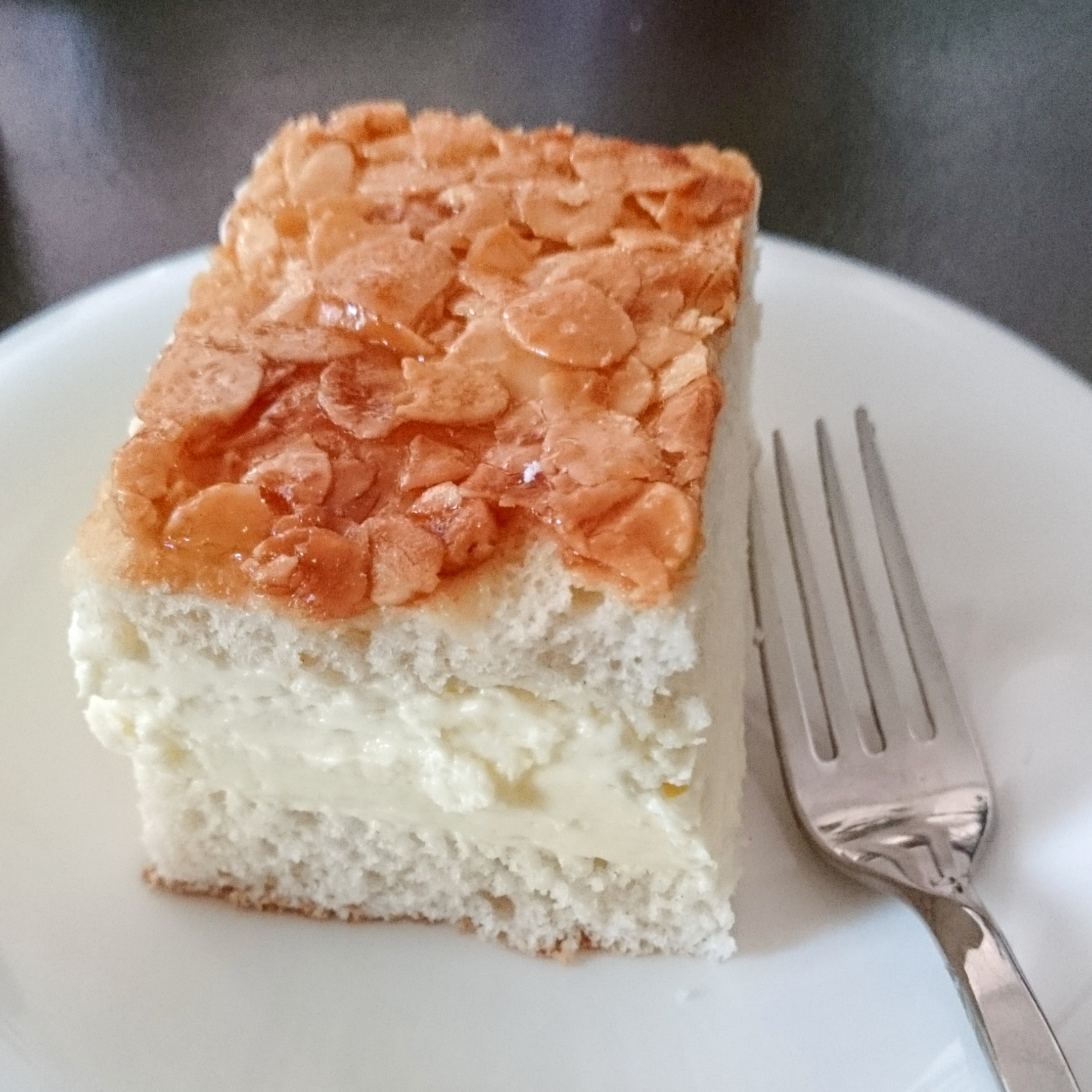
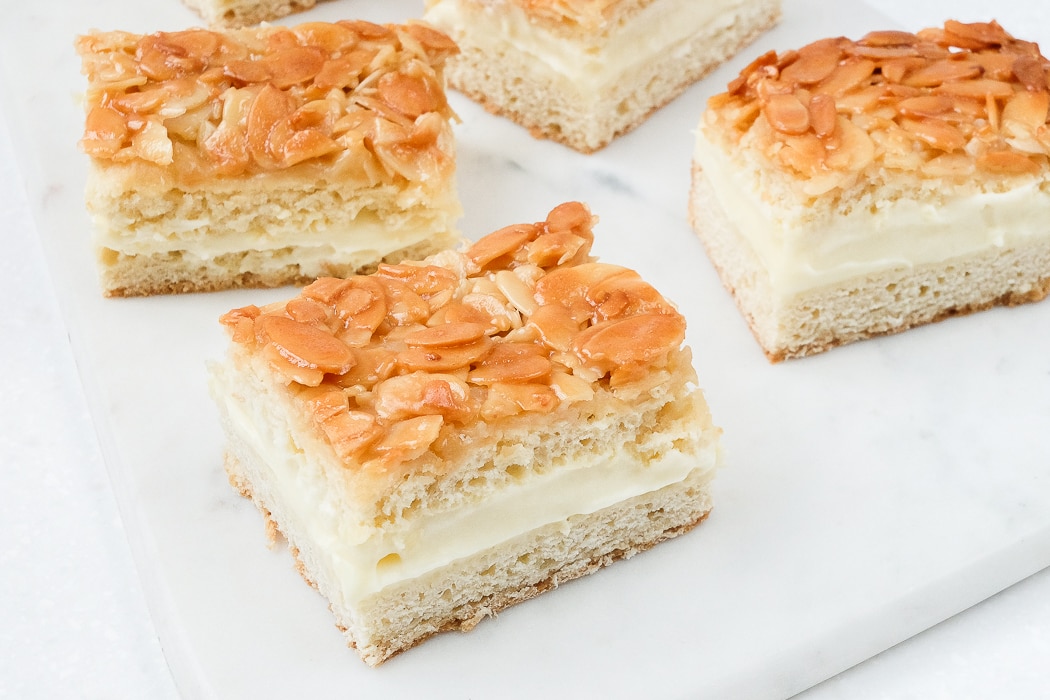
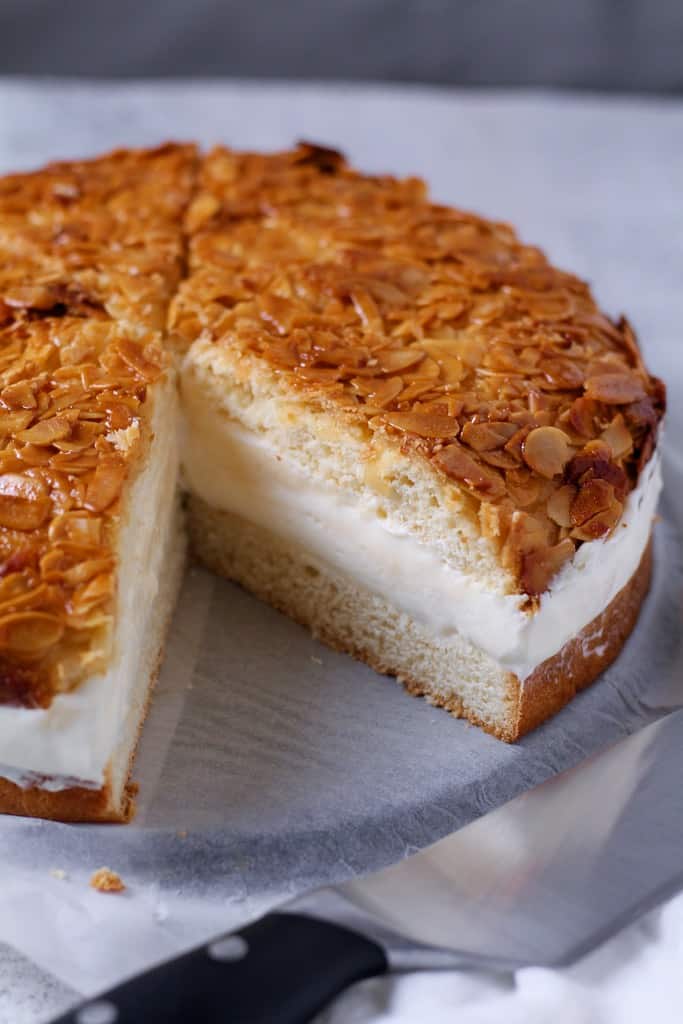
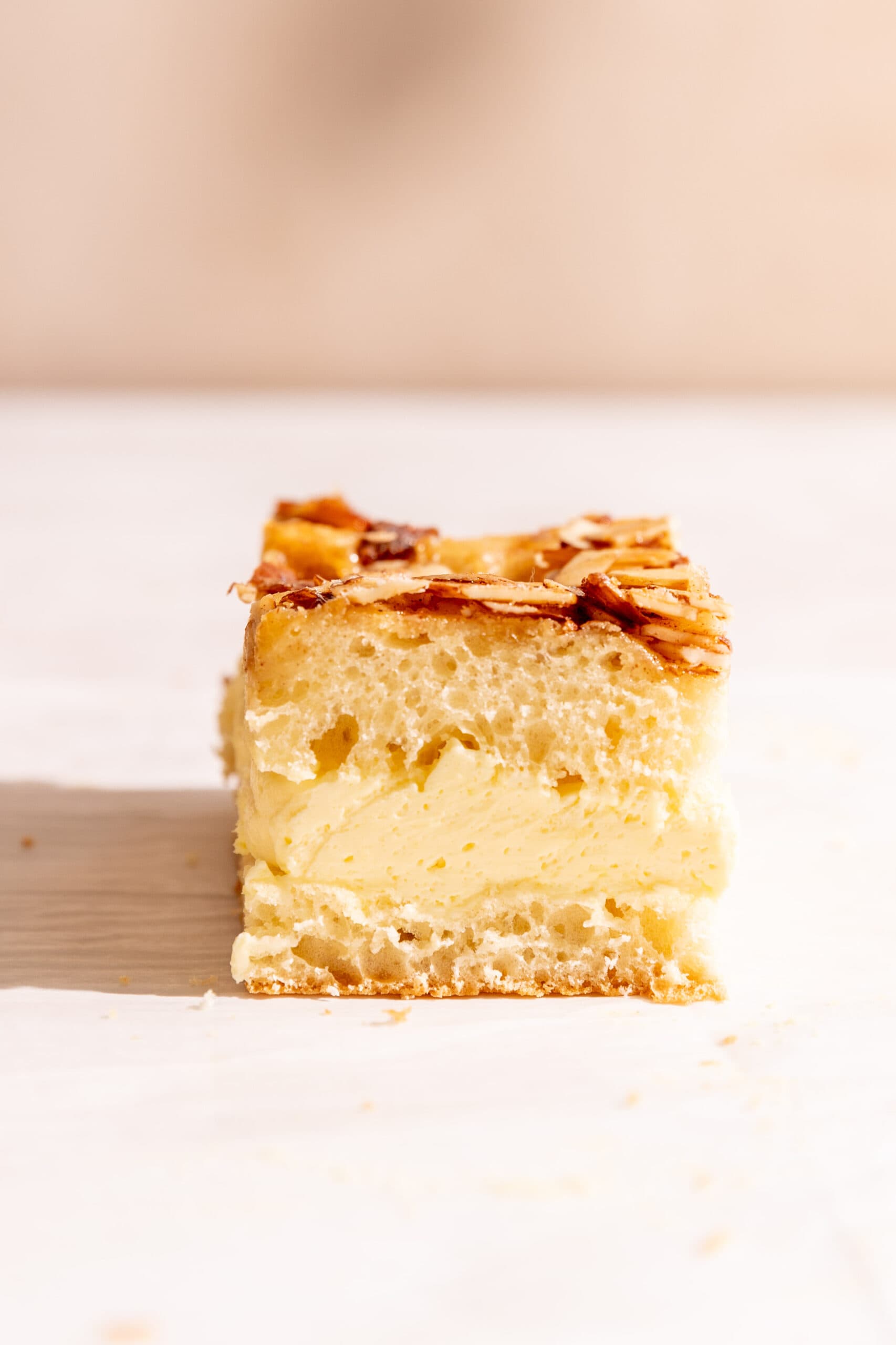
This one is a sheet-cake type: yeast-based dough, filled with a creamy vanilla-pudding layer, and topped with crunchy honey-almond caramelised topping. One review says: “one of the best German cakes… Out of this world.” (International Desserts Blog)
A bit more of a “sit-down” dessert compared to quick pastries – perfect after lunch or for a special café treat.
5. Bethmännchen – Marzipan almond “little Bethmann” (cookie/pastry)
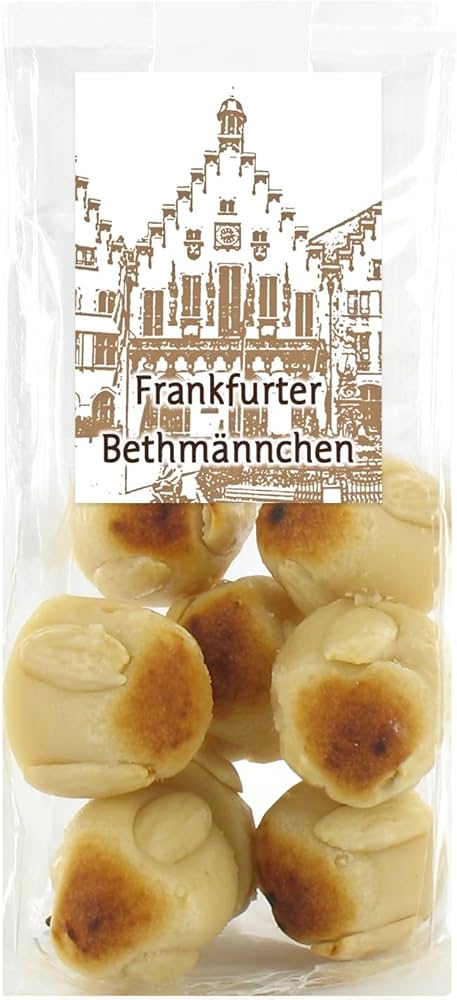
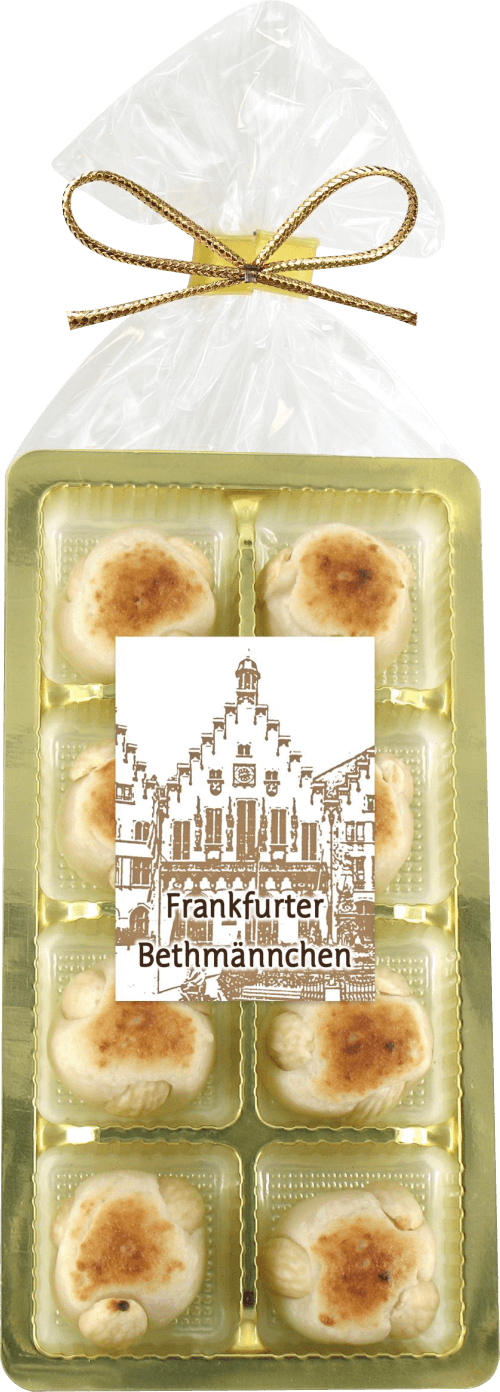


These little almond-marzipan pastries come originally from Frankfurt and are traditionally baked for Christmas. The name comes from the Bethmann family. (Wikipedia)
Lovely if you want something a bit more refined or gift-worthy.
Why German Pastries Are So Good
-
German pastries often use yeast doughs (not just batter) so you get a texture that’s a bit more bread-shop than pure cake. (Allrecipes)
-
They combine sweetness + texture contrast: for example crunchy topping + soft filling (see Bienenstich), or creamy interior + crisp sugar exterior (Quarkbällchen).
-
Many pastries are tied to tradition / regionality: e.g., carnival doughnuts (Berliner/Krapfen), Christmas marzipan treats (Bethmännchen). This gives them story and authenticity.
-
They’re great for a mid-afternoon Kaffee und Kuchen (coffee and cake) in Germany’s café culture. A moment of pause and indulgence 🧁.
A Few Tips If You Want to Try Them or Bake Them
-
For the yeast-based ones (Franzbrötchen, Bienenstich): a good warm rise and a proper oven temperature make a big difference to get that light airy interior plus crisp exterior.
-
Fresh fruit seasons matter: many cakes/pastries use plums, apples, berries when they’re in season. Using fresh seasonal fruit makes a big difference.
-
Try to finish them fresh: pastries are best right away or same day. The texture changes if left too long (especially ones with crisp toppings).
-
Pair with a good German-style coffee (Milchkaffee, Cappuccino) or a nice black tea to balance sweetness.
In Short
Whether you’re wandering a German bakery, baking at home or just dreaming of the next treat — these pastries are a delicious window into German sweet-shop culture. Next time you’re in Berlin (or back in Germany) keep an eye out for these names: Franzbrötchen, Quarkbällchen, Berliner, Bienenstich, Bethmännchen.
You’ll be rewarded with buttery, yeasty, almond-topped, jam-filled joy. 😋
If you enjoyed this little pastry round-up and want more German food or culture posts (or anything with a relaxed, fun tone), swing by my site language learning website https://konnektoren.help/ and let’s keep exploring together.
Comments
Post a Comment